
Living Room
Lighting Layers for Living Rooms
How ambient, task, accent, and decorative light combine in the room where Canadians spend evenings, and why glare control matters for reading.
Read the noteInterior Lighting Design · Canada
RiverPlainCo collects reference material on residential interior lighting: the four layers of light, the fixture families used in Canadian homes, and the brightness levels that suit each room. The notes draw on publicly available guidance from Natural Resources Canada.

The four layers
Canadian home-lighting guidance describes four layers of light. Most rooms work best when each layer is on a separate control, so the same space can shift from bright and functional to dim and relaxed.
Soft, diffuse light that fills a room, reduces shadows, and creates a sense of openness. It is the base layer that the others build on.
Added light for a specific job: reading, food preparation, or working at a desk. Task light is placed where the work happens, not overhead alone.
Directed light for artwork, photographs, or architectural details. Accent light draws the eye to a chosen point in the room.
Fixtures meant to be seen rather than to do heavy lifting. Wall sconces and chandeliers are the most common decorative pieces.
Articles
Each note focuses on one part of the home, with fixture choices, placement, and brightness guidance drawn from Canadian sources.
How ambient, task, accent, and decorative light combine in the room where Canadians spend evenings, and why glare control matters for reading.
Read the note
Under-cabinet task light, recessed downlights, and pendants over islands, with notes on why kitchen efficiency choices carry extra weight.
Read the note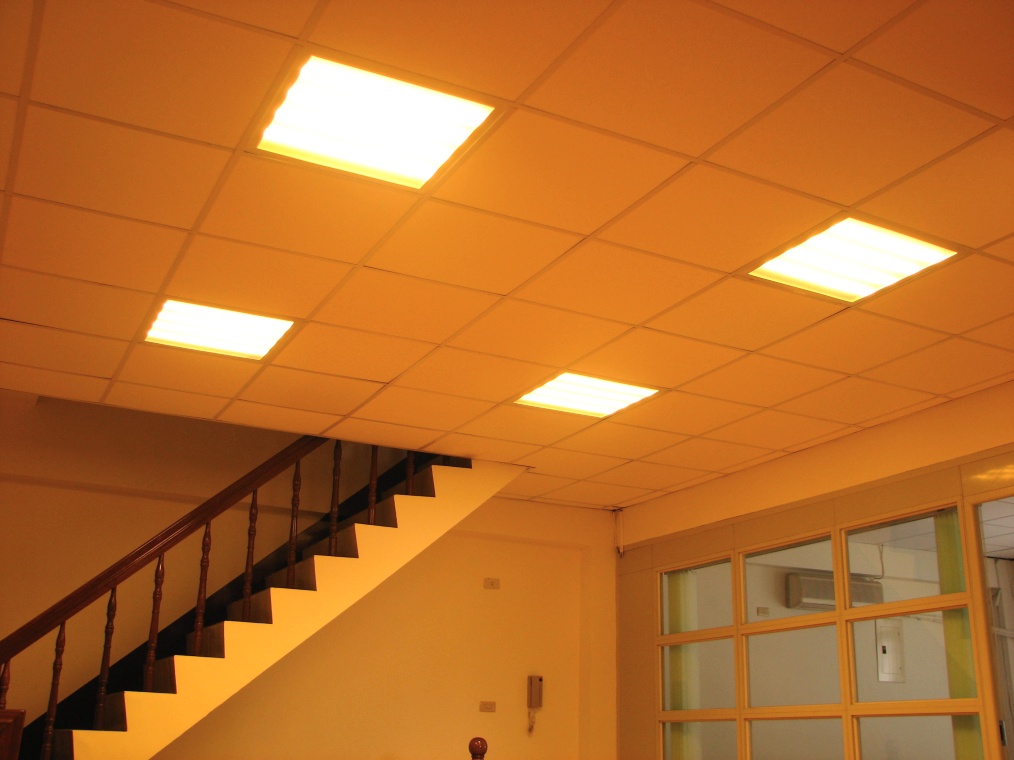
What potlights do well, where they fall short, and how colour temperature and the lumen-first approach guide brightness decisions.
Read the noteContact
Have a question about a fixture type or a room layout covered here? Use the form to send a note. This is a static reference site, so the form runs entirely in your browser and no data leaves your device.