Recessed downlights — often called potlights — sit inside the ceiling cavity and have become a default choice in renovated and new Canadian homes. They are versatile and can be used in nearly every room, but they work best as one layer among several rather than as the whole lighting plan.
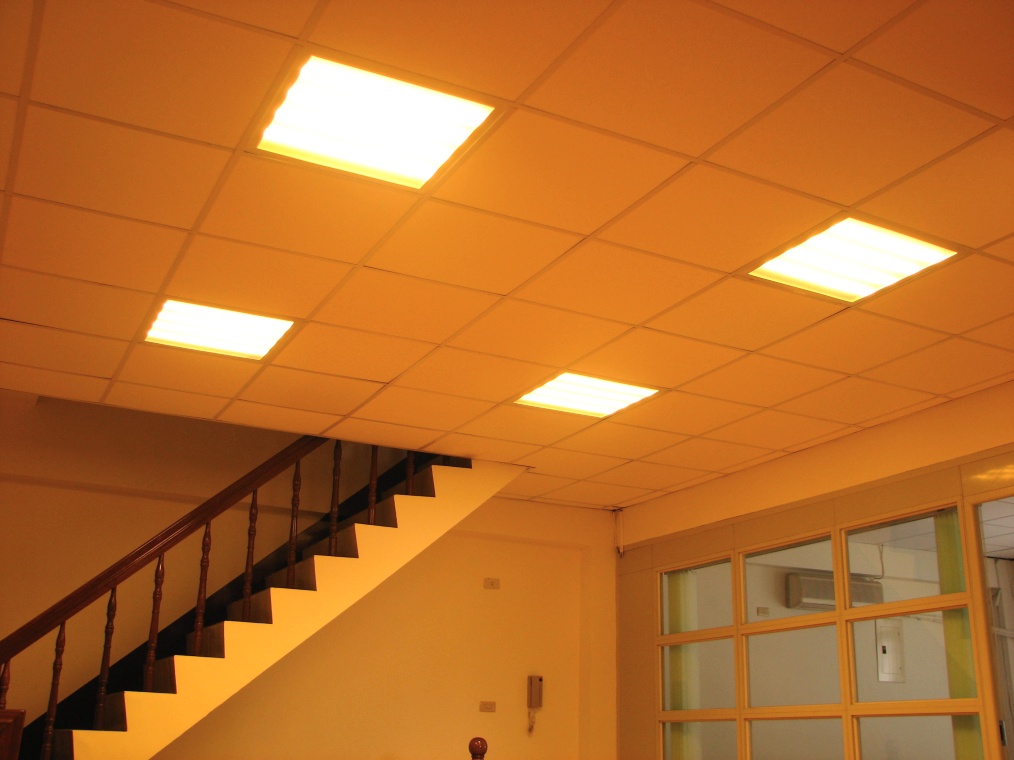
What downlights do well
Aimed straight down, recessed fixtures give even general light across a floor. Aimed toward a wall, they wash the vertical surface and produce soft ambient light. That flexibility is why they appear in living rooms, bedrooms, hallways, and kitchens alike.
Where they fall short
Used on their own, downlights tend to cast harsh shadows — an entry way lit only with potlights can feel unwelcoming, and a reader seated below one ends up shading their own page. The guidance is consistent: supplement downlights with other layers rather than relying on them for every task.
Choosing brightness: lumens before watts
Brightness is measured in lumens, the amount of light a source produces, while watts describe the energy it draws. A practical approach is to settle on the lumens a space needs first, then pick the most efficient source that delivers them. With LED sources now common, the same brightness arrives at a fraction of the energy an incandescent bulb once used.
Heat and enclosures: All lamps and fixtures produce heat, and recessed or enclosed fixtures must be matched to a lamp rated for that use. Using the right lamp in the right fixture avoids both safety hazards and premature failure.
Colour temperature sets the mood
Correlated colour temperature, measured in kelvin, describes how warm or cool a light feels — the higher the number, the cooler the appearance. For living spaces and bedrooms, warmer sources around 2700–3000K read as relaxing and inviting. A cooler source, around 3500K, suits a home office where alertness during long working hours is the goal.
| Range | Kelvin | Feel and typical use |
|---|---|---|
| Warm | 2700–3000K | Relaxing; living rooms, bedrooms, dining |
| Neutral | 3500K | Alert and even; home offices, work areas |
| Cool | 4000K+ | Crisp; some utility and task spaces |
Safety and code: All electrical devices should carry a recognised certification mark, and electrical work in Canada must follow the Canadian Electrical Code along with local permit and inspection requirements. Standards for luminaires are maintained by CSA Group, and provincial bodies such as the Electrical Safety Authority oversee inspections.